
₨ 1,800
UPTO 12% OFFAngel red Pomegranate plant in Pakistan – anar plant
Plant Information
Guaranteed by
- Order Placed August 4, 2026
- Packed August 6, 2026
- Dispatched August 7, 2026
- Delivered August 10, 2026
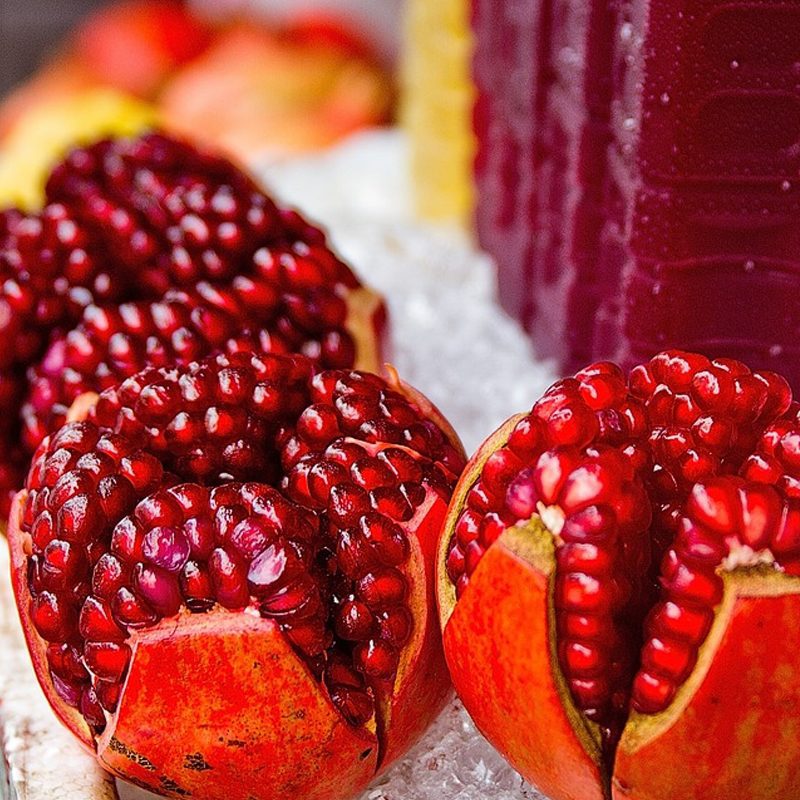
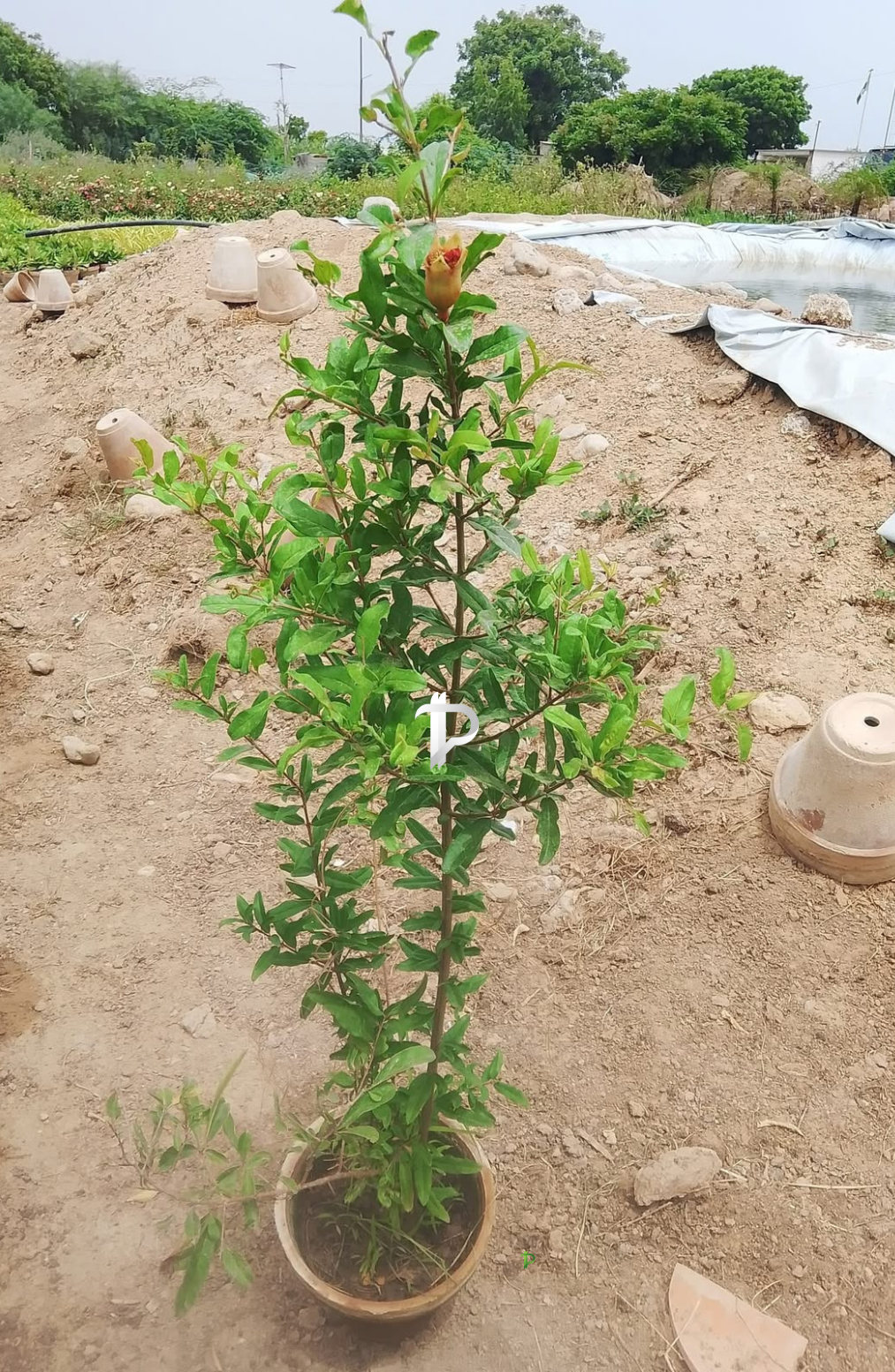
Angel Red Pomegranate , a premium American-bred variety discovered by California farmer Greg Smith, prized for its vivid red skin, exceptionally soft edible seeds, and one of the highest juice contents of any pomegranate. Compact, easy-to-grow plant suitable for gardens, pots, and courtyards. Early fruiting, sweet-tangy taste, and stunning orange-red blooms make it a standout compared to traditional local varieties like Kandhari and Bedana. Beginner-friendly, drought-tolerant once established, and thrives across Punjab, KPK, and Sindh.
📍 Available at Plants Parlour , order online at plantsparlour.com or visit our nursery in Pattoki, near Gehlan Chak 9.
Angel Red Pomegranate (Punica granatum ‘Smith’) — Complete Plant Guide
Who invented Angel Red pomegranate?
Angel Red isn’t a lab-bred hybrid — it was a lucky discovery. In 1996, California farmer Greg Smith, a third-generation grower whose family ran the Lulu Packing pomegranate orchards in Tulare County, spotted one unusual tree growing among his regular pomegranate stock. That single tree fruited earlier than the rest, had a deeper red colour, noticeably softer seeds, and a sweeter taste. DNA testing later confirmed it was genetically distinct from other commercial varieties, which allowed Smith to patent it under the name “Smith” (its official patent name), marketed commercially as Angel Red. It went on to become one of the most sought-after soft-seeded pomegranate varieties in the world, now grown across California, Arizona, and exported to countries as far as Peru, Chile, and South Africa.
How does it propagate — grafting or seeds?
Angel Red is mainly propagated through hardwood cuttings, not seeds and not grafting. Here’s why:
- Cuttings (the standard method): A cutting taken from an existing Angel Red plant grows into a tree that is genetically identical to the parent — same fruit colour, same soft seeds, same sweetness. This is how nurseries multiply true-to-type plants.
- Grafting: Technically possible and occasionally used commercially to speed up early fruiting or adapt the plant to a specific rootstock, but pomegranate grafting is more difficult and less common than in trees like citrus or mango.
- Seeds: Growing from seed is possible but not recommended if you want a plant that matches the parent. Pomegranates are cross-pollinated, so a seed-grown plant is genetically unpredictable — it may not carry the same fruit colour, sweetness, or soft-seed trait, and it typically takes much longer (4–5+ years) to fruit compared to a cutting-grown plant (1–2 years).
Bottom line for buyers: always choose a cutting-propagated (or nursery-grown vegetative) Angel Red plant if true-to-type fruit is the goal — this is what reputable nurseries sell.
Which regions of Pakistan is it suitable for?
Pomegranates in general are well suited to Pakistan’s climate, and Angel Red follows the same requirements as other cultivated varieties in the country. Pomegranate is already grown across Punjab, Sindh, and Khyber Pakhtunkhwa, in areas such as Chakwal, Bahawalpur, D.G. Khan, and parts of Balochistan. It performs best in regions with:
- Hot, dry summers and moderately cold winters (semi-arid, continental-type climate)
- Good sun exposure
- Well-drained soil
This makes areas like Punjab (including Pattoki, Chakwal, Bahawalpur, Multan, D.G. Khan), southern KPK, and parts of Sindh and Balochistan naturally favourable. It tolerates Pakistan’s hot summers well once established and needs winter chill for proper dormancy and flowering, which most of Punjab and KPK provide.
How is it different from other famous pomegranate varieties grown in Pakistan?
Pakistan’s most recognised local varieties are Kandhari, Bedana, and Desi, alongside some regional types like Ruby, Anar Gulabi, and Malas Anar. Here’s how Angel Red compares:
| Trait | Angel Red | Kandhari | Bedana |
|---|---|---|---|
| Seed texture | Very soft, easily chewable | Hard seeds | Soft to medium seeds |
| Fruit colour | Vivid, bright red skin and arils | Deep red rind, blood-red/pink aril | Whitish to pinkish rind, pale-sweet aril |
| Juice content | Very high, among the highest of any variety | Moderate-high, sub-acidic | High, sweet-acidic |
| Flavour | Sweet with a mild tang | Sweet-tart, more acidic | Sweet, milder |
| Fruiting time | Early season (ripens notably earlier than most varieties) | Mid-late season | Mid-late season |
| Tree size | Compact, easy to manage in pots or small gardens | Larger, orchard-style tree | Larger, orchard-style tree |
In short, Angel Red stands out mainly because of its soft, chewable seeds, exceptionally high juice content, brighter colour, and earlier fruiting, whereas Kandhari and Bedana are traditional, hard-seeded or semi-hard-seeded local types more common in commercial orchards.
When does it bloom in Pakistan?
Pomegranates typically flower in spring, from around March to May, once winter dormancy ends and temperatures warm up. Angel Red is known as an early producer, so in favourable Pakistani conditions you can expect flowering to start early in this window and fruit to mature earlier than local varieties — often ready for harvest from late summer into early autumn (roughly August–September), well ahead of many traditional cultivars.
What is its specialty?
- Exceptionally soft, edible seeds — no need to spit them out
- One of the highest juice contents of any pomegranate variety
- Vivid, showy orange-red flowers that are ornamental on their own
- Compact growth habit, making it ideal for home gardens, pots, and small courtyards, not just large orchards
- Early fruiting, giving you a harvest ahead of most other varieties
If it’s a fruit — how does it taste?
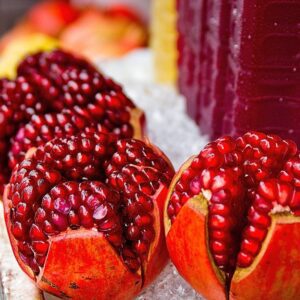
Angel Red arils are sweet with a gentle tang, often described with notes of red currant, tart cherry, and rhubarb layered under a strong sweetness. Because the seeds are soft, the whole aril is pleasant and easy to eat directly — you’re not working around a hard, gritty centre like with many other varieties.
How does its colour change as it grows?
- Flowers: open as bright, showy orange-red blooms
- Young fruit: starts out light green to pale yellowish-green
- Ripening fruit: gradually develops a blush, then deepens into shades of pink
- Mature fruit: turns a vivid, glossy red skin with equally vibrant red arils inside — the “Angel Red” name comes directly from this intense colour at full ripeness
What is the leaf formation?
Pomegranate leaves, including Angel Red, are narrow, glossy, lance-shaped (oblong-lanceolate), growing opposite each other or in small whorls along the stem. New leaves often emerge with a light bronze or reddish tint before turning a deep glossy green as they mature. The plant is bushy and multi-branched by nature, giving it dense foliage when well maintained.
How often should you water it?
- Newly planted: water every 2–3 days until the roots establish (first 4–6 weeks)
- Established plant: deep watering once every 7–10 days is usually enough
- In peak summer heat, established plants may need water every 4–5 days
- In winter (dormant season), reduce watering significantly — once every 2–3 weeks is often enough
Pomegranates are drought-tolerant once established but produce better fruit with consistent, deep watering rather than frequent shallow watering.
How tall can it grow?
Angel Red is a naturally compact variety, typically reaching around 2 to 3.5 metres (6–12 feet) in height, depending on soil, care, and whether it’s grown in the ground or in a container. It can be pruned to stay smaller or trained into a single-trunk tree shape if a taller, more tree-like form is preferred.
Which environment suits it best?
- Full sun (at least 6 hours of direct sunlight daily)
- Warm to hot climate with a distinct winter chill period for dormancy and flowering
- Well-drained soil — pomegranates dislike waterlogged roots
- Tolerates heat, drought (once established), and moderately poor soils, but performs best with regular care
Is it an indoor or outdoor plant, or both?
Angel Red is primarily an outdoor plant — it needs full sun and open air to flower and fruit well. However, because of its compact size, it also does well as a container/patio plant that can be kept outdoors on a balcony, courtyard, or terrace. It is not a true indoor plant; keeping it indoors long-term will reduce flowering and fruiting significantly due to insufficient light.
When should you water it?
Water early in the morning or in the evening, avoiding the peak heat of midday. This reduces water loss to evaporation and prevents stress on the roots and leaves from combining heat and moisture at the same time.
What kind of fertilizer should be used?
- At planting: mix in well-rotted compost or farmyard manure into the planting hole
- During growth season (spring–summer): a balanced fertilizer (NPK, such as 10-10-10) applied every 6–8 weeks supports healthy growth and fruiting
- Annually: top-dress with a layer of compost around the base each year
- Avoid excess nitrogen once the plant is mature and fruiting, as too much nitrogen encourages leafy growth at the expense of flowers and fruit
- Potassium and phosphorus-rich feeds help with flowering and fruit development, especially as the plant approaches its flowering season
How to get more fruit from one plant?
- Ensure full sun exposure — flowering and fruiting drop sharply in shade
- Prune annually in late winter/early dormant season to remove dead, crossing, or overcrowded branches — this improves air circulation and light penetration
- Avoid over-fertilizing with nitrogen; favour potassium/phosphorus during flowering stage
- Water deeply and consistently, especially during flowering and fruit development — inconsistent watering causes fruit drop and splitting
- Thin out excess young fruit if the plant is overloaded, so remaining fruit can grow larger and healthier
- Ensure good pollination — pomegranates are largely self-fertile but benefit from pollinator activity (bees), so avoid heavy pesticide use during flowering
When does this plant shed its leaves?
Pomegranate, including Angel Red, is a deciduous plant in most climates — it naturally sheds its leaves in late autumn to winter as it enters dormancy, then regrows fresh foliage in spring. In warmer, milder regions it may remain semi-evergreen, holding onto some leaves through winter.
Why does this plant shed leaves right after buying it from a nursery?
This is normal and usually not a sign of a dying plant. It happens because of transplant shock — the plant is adjusting to a new environment (different soil, light levels, watering routine, and root disturbance during the move). Common causes include:
- Root disturbance during transplanting
- Sudden change in light exposure (nursery shade vs. your garden’s direct sun, or vice versa)
- Change in watering pattern from what it was used to
- Temperature or humidity difference between the nursery and the new location
As long as the stems stay green and flexible, the plant is very likely to recover and push new leaves within a few weeks.
How to care for it after buying from a nursery?
- Avoid repotting or transplanting into the ground immediately — let it rest in a stable spot for a few days first if possible
- Place it in a location with bright light, gradually increasing sun exposure over 1–2 weeks rather than moving it straight into harsh full sun
- Water lightly and consistently — don’t overwater during the adjustment period, but don’t let it dry out completely either
- Avoid fertilizing immediately after transplanting; wait 3–4 weeks until the plant shows new growth
- Protect it from strong wind and extreme temperature swings during the first few weeks
- Be patient with leaf drop in the first 1–3 weeks — this is normal adjustment, not necessarily plant failure
Is it good and easy to grow for beginners?
Yes. Pomegranates in general, and Angel Red in particular, are considered fairly low-maintenance and beginner-friendly. They’re drought-tolerant once established, not fussy about soil quality, and don’t require complex care routines. The main things beginners need to get right are: enough sunlight, well-drained soil, and not overwatering.
“I am watering daily, but my plant is still drying or dying — why?”
Daily watering is one of the most common reasons pomegranate plants struggle, especially in pots. Some likely causes:
- Overwatering / root rot: Pomegranates dislike constantly wet roots. Watering daily, especially in a pot without good drainage, can suffocate and rot the roots — this often shows up as yellowing leaves, wilting, or leaf drop, which can look like “drying” even though the real problem is too much water.
- Poor drainage: If the pot or soil doesn’t drain well, water sits around the roots and causes damage even if you’re watering “correctly” in terms of frequency.
- Watering the wrong depth: Frequent shallow watering wets only the top layer of soil, while deep roots stay dry — the plant looks stressed despite daily watering.
- Wrong time of day: Watering during peak afternoon heat can cause water to evaporate fast and shock the roots with temperature changes.
- Underlying transplant shock or root damage from the initial planting.
What to do: Check the soil 5–6 cm below the surface before watering — only water when this layer feels dry, not on a fixed daily schedule. Make sure the pot or ground has good drainage, and water deeply but less frequently (every 7–10 days for established plants) rather than a little every day.
Where can you buy Angel Red Pomegranate in Pakistan?
Angel Red Pomegranate is available at Plants Parlour (plantsparlour.com). You can order it online through the website, or visit the nursery in person in Pattoki, near Gehlan Chak 9, to see the plants before buying.
Note: Some details above (bloom timing, height, and regional suitability) reflect general pomegranate/Angel Red growing behaviour reported for similar semi-arid climates; local performance in specific micro-climates across Pakistan can vary somewhat with soil and care.
| Weight | 5 kg |
|---|---|
| Dimensions | 30 × 30 × 90 cm |
Only logged in customers who have purchased this product may leave a review.
Related products
-
Balcony Plants
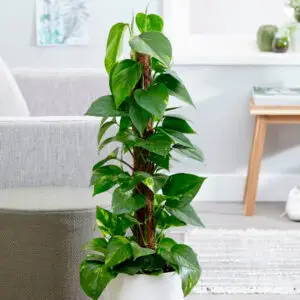
Money plant plant (big leaves)
Original price was: ₨ 2,650.₨ 1,999Current price is: ₨ 1,999. Add to cart
Reviews
There are no reviews yet.